News
2026.10.10 ~ 10.11 Field trip of SRG in 2026, in Chichibu
Hello everyone! I'm Beppu, M2 student!
I recently participated in the Field trip organized by the Society of Resource Geology(SRG), titled “Chichibu Tonalite and Hydrothermal Alteration in Saitama Prefecture.”
During this field trip, we learned about the magmatic activity associated with the formation of the Chichibu ore deposits. I'd like to introduce the Chichibu Mine and share some highlights from our field trip!
Chichibu Mine
The Chichibu Mine is located in Chichibu City, Saitama Prefecture, approximately 80 km northwest of Tokyo. It is known for its gold, copper, zinc, and lead deposits, as well as its remarkable mineral diversity, making it one of Japan's most mineralogically diverse mining districts.
Interestingly, the history of mining in Chichibu is said to date back to the 1500s! Mining reportedly began when the famous warlord Takeda Shingen sought gold in the area. Since then, the mine has continued to meet changing demands for mineral resources over the centuries, until limestone production ended in 2022.
At its peak, the mine achieved impressive production figures, including gold grades of up to 30 g/t and iron ore production of approximately 60,000 tonnes per month.
Despite its long history, the geological processes responsible for the formation of the Chichibu deposits remain the subject of scientific discussion. What were the characteristics of the magma involved? Why does the area contain such a remarkable diversity of minerals?
During the excursion, we explored these questions through geological observations in the field.
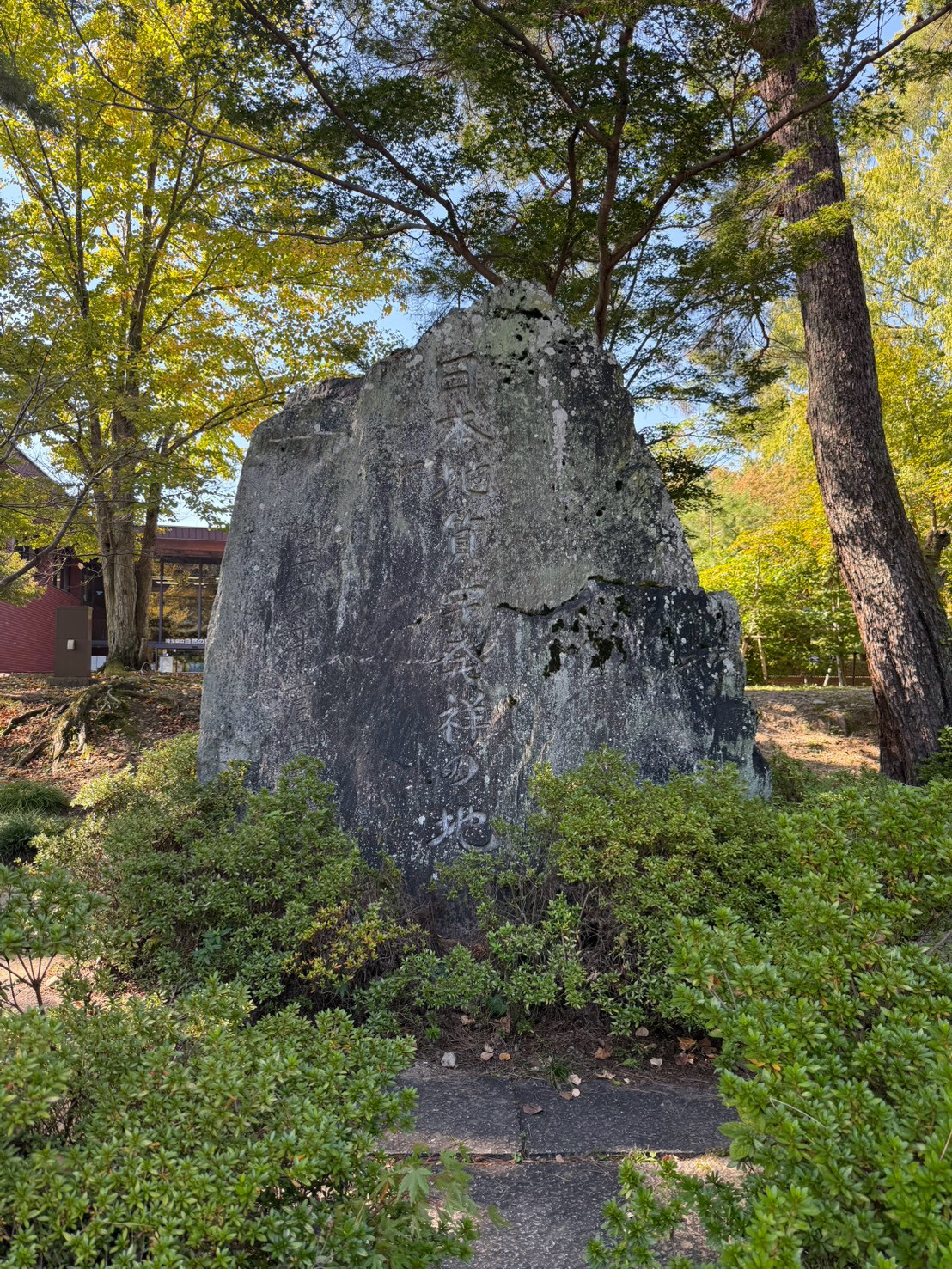
(The Chichibu region is often regarded as one of the birthplaces of modern geology in Japan. Its geological significance, including the presence of the Chichibu Belt, which records part of the geological history of the Japanese Islands, has contributed to its designation as a Japanese Geopark.)
Geological Field Excursion
Although the Chichibu Mine is now closed and we were unable to enter the mine itself, we visited several natural rock outcrops in the surrounding mountains to investigate the geological processes that formed the deposits.
We observed tonalite intrusions associated with mineralization, examined variations in rock composition and occurrence between different locations, and investigated the effects of hydrothermal alteration.
Experienced geologists taught us how to identify different minerals, and we discussed the geological conditions and processes that may have existed when these rocks formed.
It was a valuable opportunity to learn directly from geological observations and exchange ideas with other participants.
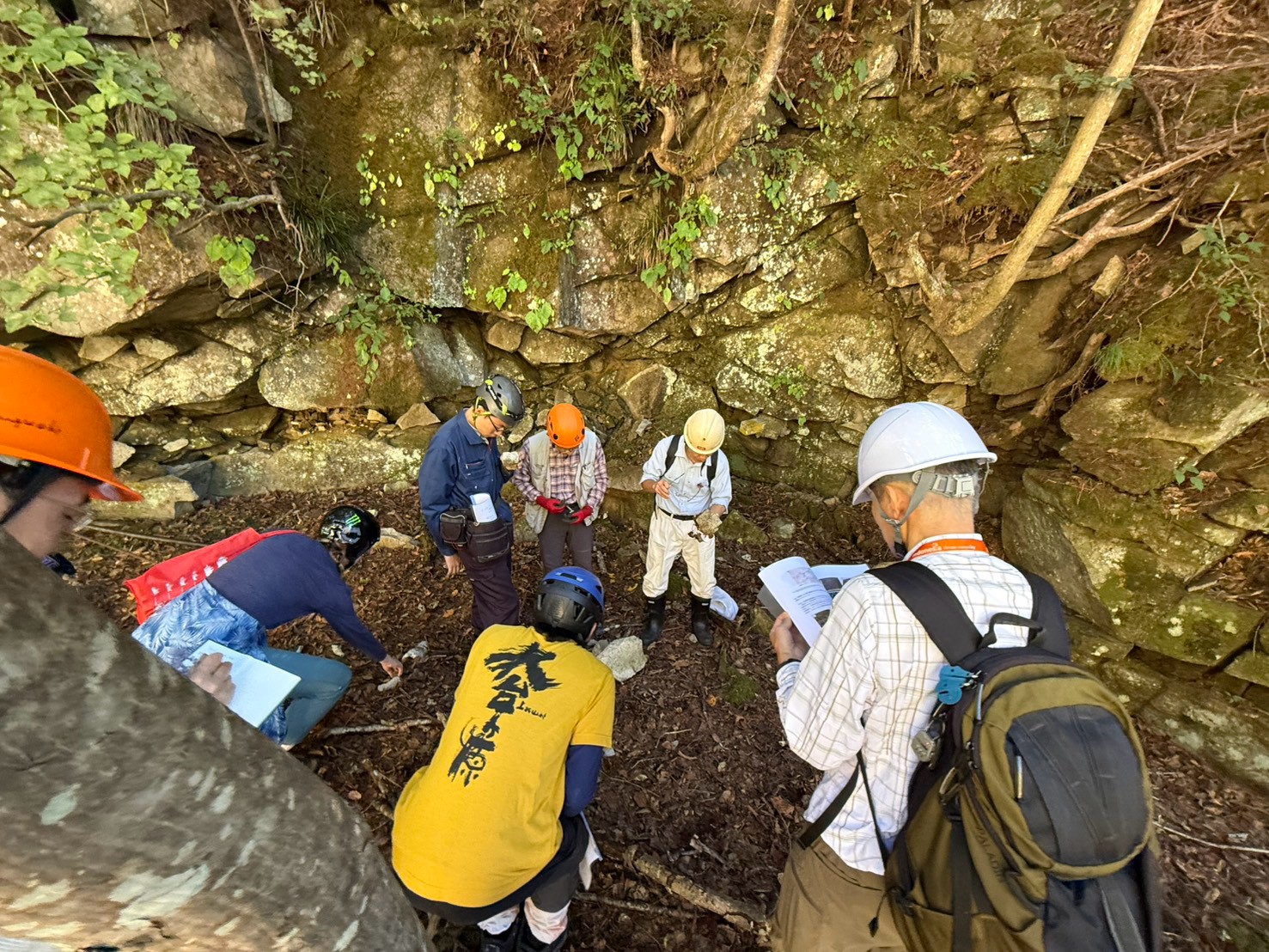
(All participants examined rock samples and outcrops under the guidance of experienced geologists.)
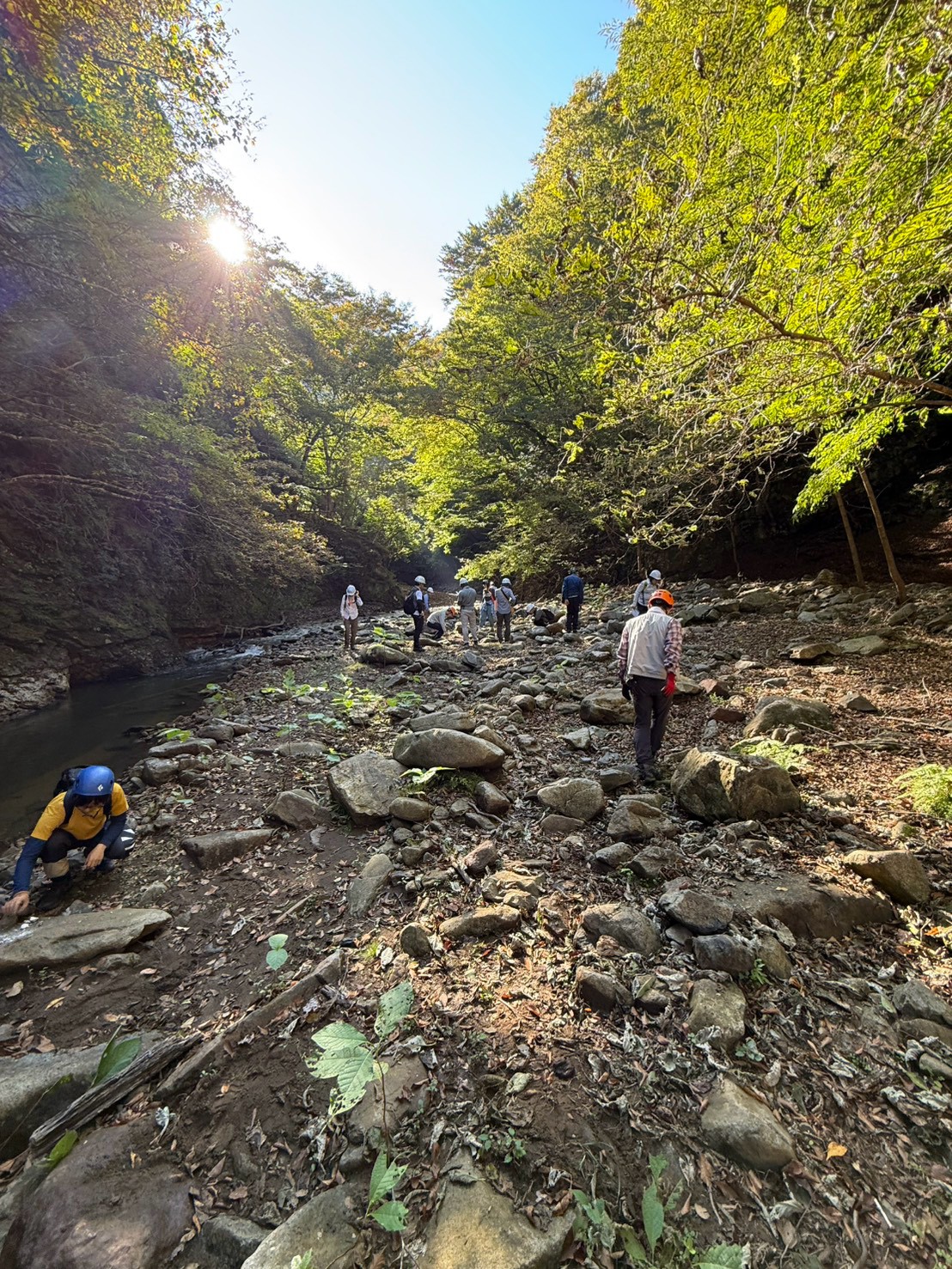
(At the end of the excursion, we visited a riverside location well known among geologists and searched for ore and mineral specimens!)
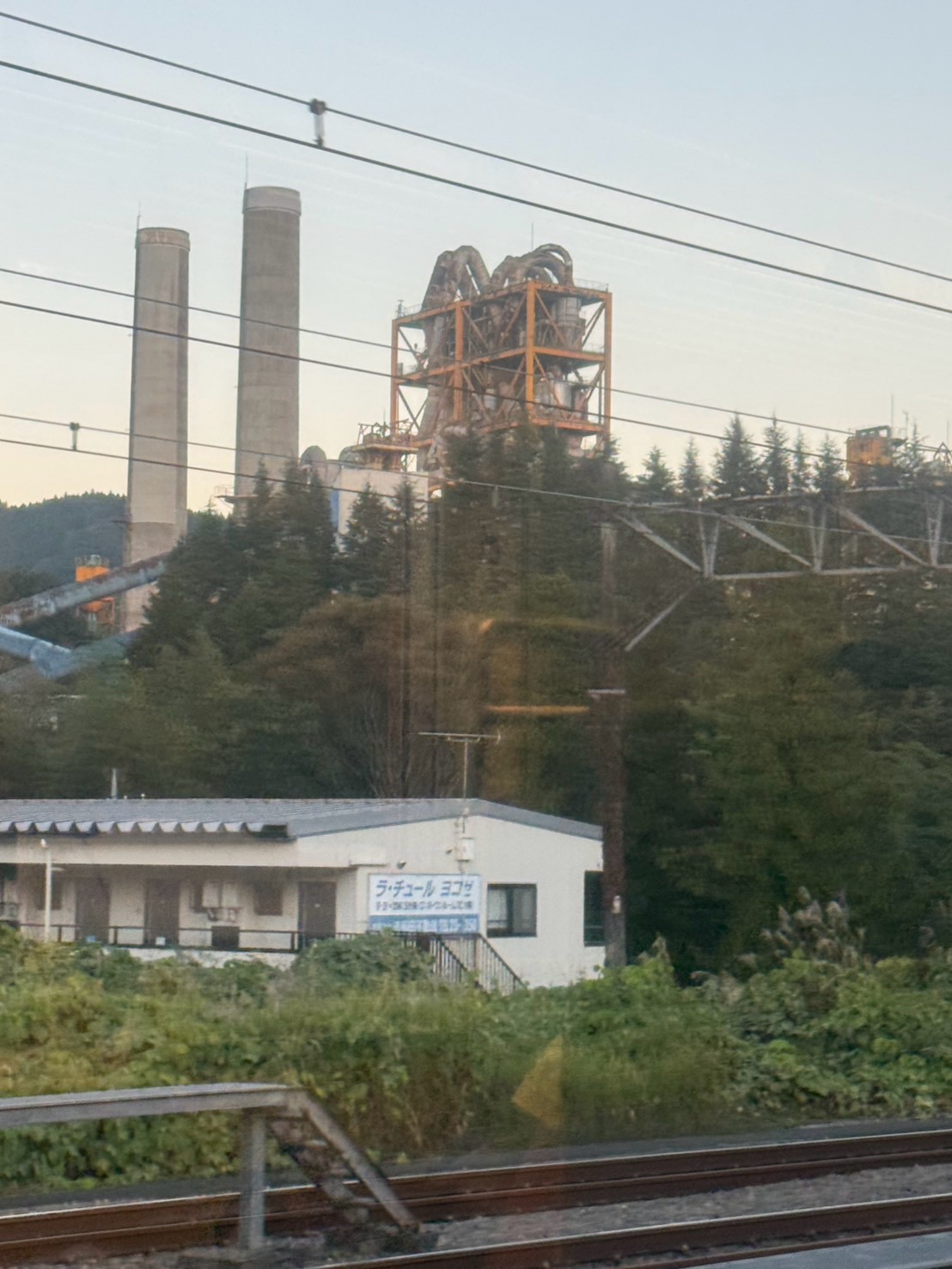
(From the train, we could see a limestone processing plant, a reminder of the region's long history as a mining town.)
Since the Chichibu deposits differ from the gold deposit I am currently studying, this field trip provided an excellent opportunity to broaden my understanding of ore-forming processes and hydrothermal alteration.
At the Environmental Geology Laboratory, students have opportunities to participate in fieldwork and gain hands-on experience beyond their everyday research activities.
If you enjoy exploring new places, discovering interesting rocks, and learning about the Earth through fieldwork, we would love to welcome you to the Laboratory of Environmental Geology!


